
Arrest History in Shelby County
A deputy, city officer, Illinois State Police trooper, or another authorized officer creates the report closest to an arrest. If the person is transported to the Shelby County Detention Center, jail staff create a separate booking file. Fingerprintable arrest data can move to the Illinois State Police Bureau of Identification. If the State's Attorney files charges, the Circuit Clerk opens a court case. Each record has its own custodian and update schedule.
That sequence explains why one search cannot show all Shelby County arrest history. A report may exist without current custody. A booking can appear before a prosecutor files a case. A public ISP response is limited to conviction information, so it may omit a non-conviction arrest. Search the source that matches the question, then verify an apparent name match with the originating office.
Shelby Arrests Create Several Records
The arrest report describes the event and the officer's basis for taking someone into custody, subject to redaction. The booking record focuses on intake, holds, charge entries, and release. Fingerprints help the state link an arrest cycle to later disposition reports. The court docket then tracks filed charges rather than repeating the full police narrative.
Record flow: Arresting Agency › Shelby County Booking › ISP Identification Record › State's Attorney Review › Circuit Court Case
A gap between systems is not rare. Recent data may not yet have reached the next custodian, identifiers may not match, or a record may be restricted. This is a record trail, not one shared live database.
Look Up Shelby County Arrests
No official searchable county inmate roster or daily arrest blotter was found on the Shelby County Sheriff's site. The correct fallback chain begins with the likely arresting agency and the Detention Center. It then moves to court or state custody tools only when the facts support that move.
- Identify the likely agency, date range, and place of the arrest.
- Call the Detention Center at 217-774-3941 to ask about current local custody.
- If no match appears, ask whether the person was released or transferred.
- Search Judici for a filed Shelby County case, allowing for a filing delay.
- Request the arrest report from the agency whose officer created it.
- For your own statewide history, use ISP Access and Review and its challenge form.
For a sheriff report or older booking record, contact the Sheriff's Office at 151 N. Morgan Street, Shelbyville, IL 62565, by phone or at sc545@scso87.org. State the record type, incident date or range, location, report or booking number if known, and preferred format. Ask for reasonably segregable nonexempt portions if some material is withheld.
Shelby County Sheriff's Office
151 N. Morgan Street
Shelbyville, IL 62565
217-774-3941
sc545@scso87.org
Shelby City Police Records
Shelbyville, Pana, Moweaqua, and other municipal departments keep the incident and arrest reports their officers create. The county Sheriff is not automatically the custodian merely because a person later entered the county jail. Begin with the department whose officer responded. Ask for the event by date, location, report number, and involved agency, without assuming that a jail booking includes the full city police narrative.
The Pana Police Department source provides one municipal contact route relevant to arrests made by Pana officers.
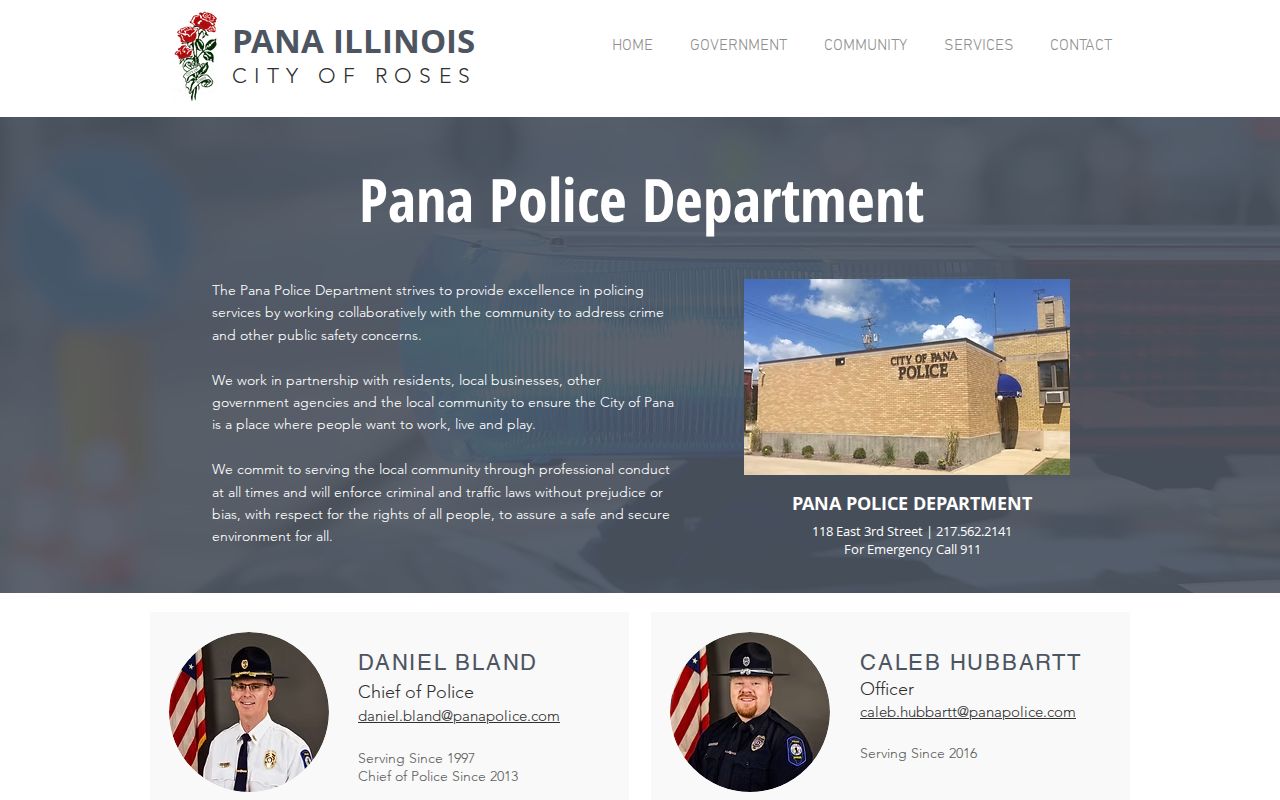
The image shows why municipal arrest reports should be sought from the city department rather than routed by default to Shelby County.
Shelby Arrest Record Contents
Public availability depends on the record, the age of the event, and legal limits. Active-investigation facts, juvenile material, victim or witness data, and private identifiers may be withheld or redacted. A request for a releasable portion may still succeed when the full report cannot be produced.
| Event details | Arrest date, time, place, and responding agency. |
|---|---|
| Initial allegation | Original charge entries or warrant reference, not a final judgment. |
| Report narrative | Officer account or probable-cause material, subject to exemptions. |
| Booking identifiers | Booking time or number and intake processing information. |
| Custody status | Hold, release, transfer, or court-related status as recorded. |
| Biometric intake | Fingerprint and photograph fields where applicable and releasable. |
A booking photograph proves only that an image was taken during intake. It does not prove guilt, predict conduct, or establish the final charge of judgment. No names or booking photos are republished here.
Shelby Booking Intake to Release
Booking generally moves from transport and identity screening through property inventory, photograph or fingerprints as applicable, medical and security screening, charge and hold entry, and appearance or release processing. The 2023 IDOC inspection identifies the Shelby facility as a local jail and documents communications and service arrangements at that time. Providers can change, so current terms should be confirmed with the jail.
The county facility handles pretrial detention and local custody. A person sentenced and transferred to state prison belongs in the Illinois Department of Corrections system. The IDOC inmate-search source shows the statewide custody route.
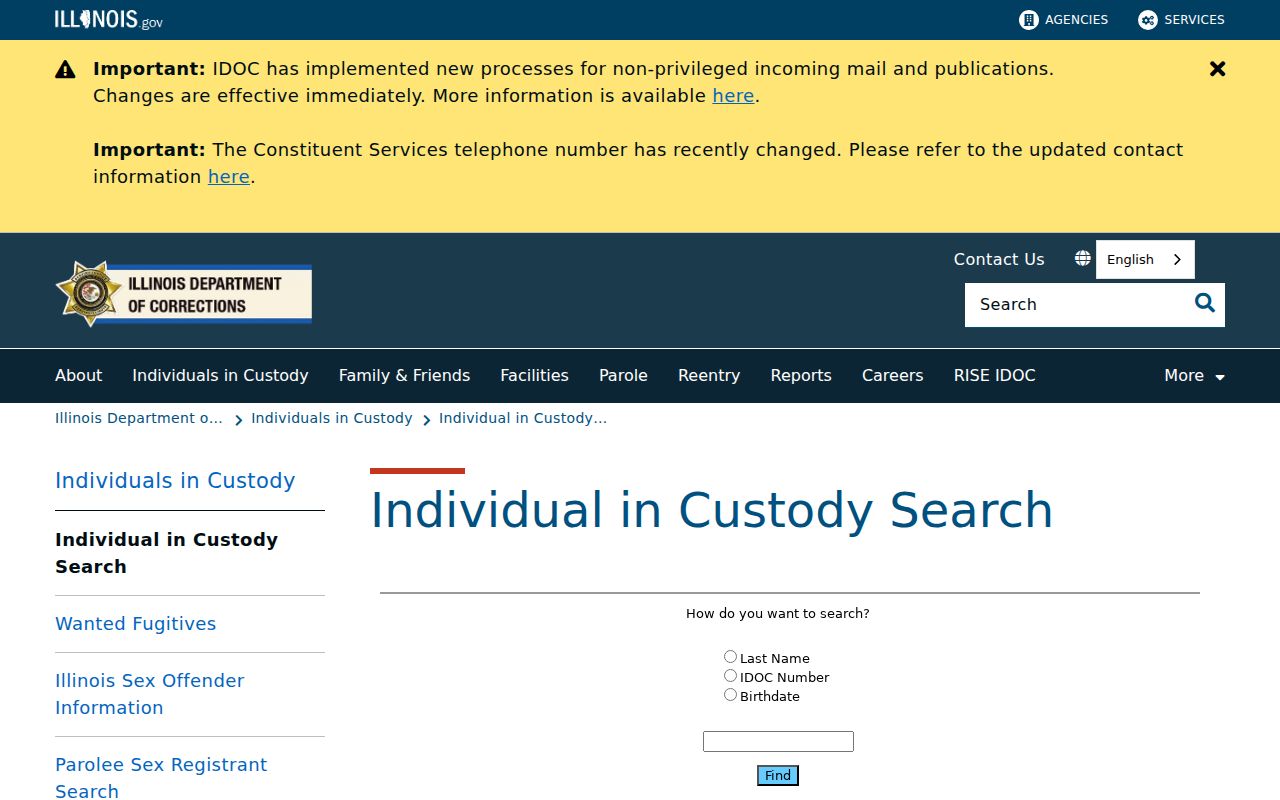
This search is useful after state transfer, but it does not replace a call about a recent Morgan Street booking.
Recent Shelby County Bookings
The Sheriff's inspected pages publish no live county roster, daily booking log, or arrest blotter. Call 217-774-3941 for current custody and provide a full name plus another identifier if staff requests it. In-person inquiries start at 151 N. Morgan Street, but callers should confirm lobby access and hours first. The jail page also links victim notification, IDOC, and the federal locator. Each is a supplement, not the source record for a new local booking.
If the person is not held locally, ask whether release or transfer information can be given. Check IDOC only when state imprisonment is plausible. Federal custody is a third system. The Federal Bureau of Prisons locator source covers federal custody records dating from 1982.
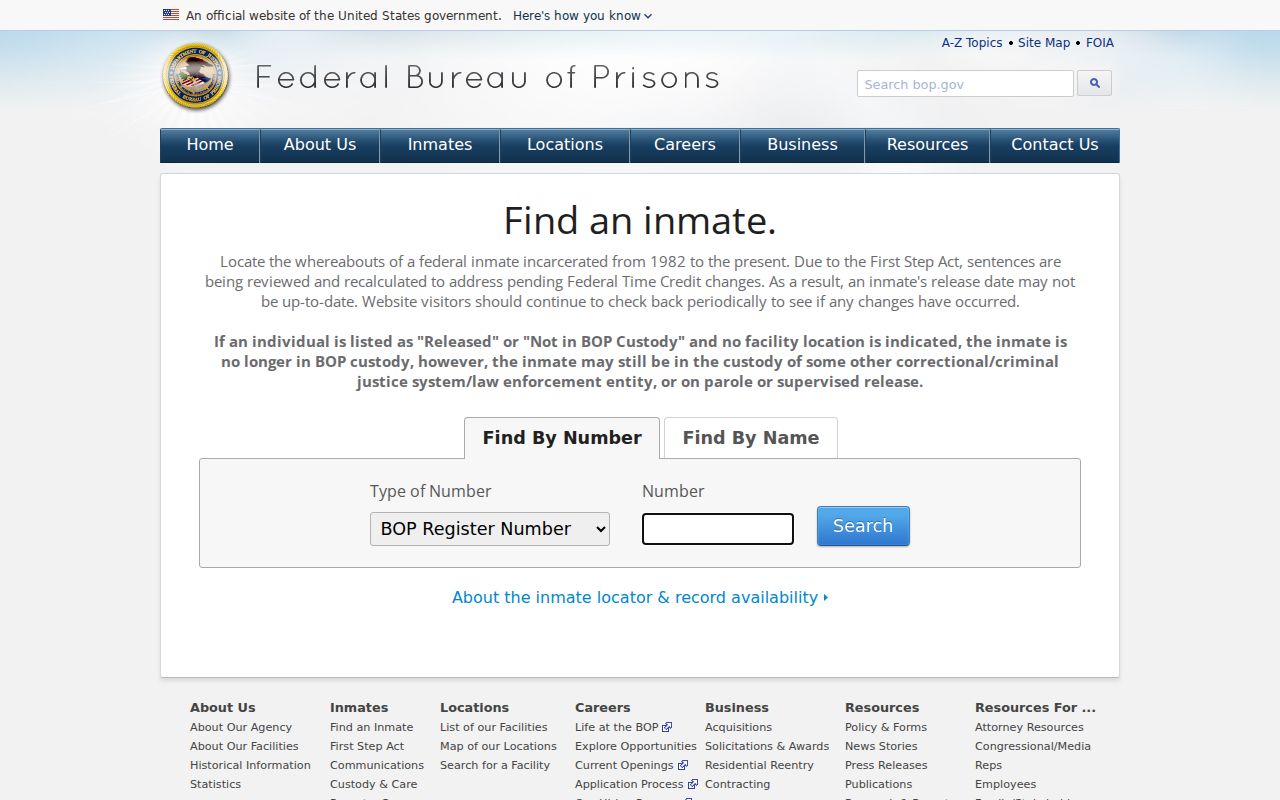
The separate federal screen underscores that a missing Shelby County jail match does not identify the person's status by itself.
Shelby Arrest to Court Outcome
A very recent arrest may not have produced a filed case. Once the State's Attorney files charges, search Shelby County through the Circuit Clerk's Judici link. Compare case number, filing date, and charge type. Then read the docket through disposition. The filed complaint may differ from booking charges, and later amendment, dismissal, plea, trial, or judgment can change the legal outcome.
The Circuit Clerk, not the arresting agency, is the source for the filed criminal complaint and final disposition. The full local process is detailed in Shelby County criminal court cases. For a report narrative, return to the police department or Sheriff that created it. Keeping these requests separate saves time and prevents an initial allegation from being described as a conviction.
Shelby Arrests Versus Convictions
An arrest records custody based on an accusation or warrant. A conviction records a court judgment. The two can be linked, but they are not interchangeable. Charges may be declined, changed, dismissed, or resolved on different counts.
| Question | Arrest or booking record | Conviction or court record |
|---|---|---|
| Who creates it? | Arresting agency and booking jail | Circuit Clerk and reporting justice agencies |
| What does it show? | Custody event and initial allegations | Filed case events and final judgment |
| Best local source | Sheriff, jail, or municipal police | Shelby County Circuit Clerk and Judici |
| Statewide public product | Not every arrest is public through ISP | UCIA public response focuses on conviction information |
| Can it change? | Status changes with release or transfer | Charges and outcomes develop through the case |
Note: An arrest is not proof of guilt; verify the filed charge and disposition with the Circuit Clerk.
Shelby Fingerprints and ISP Records
Fingerprintable arrests can be reported to the Illinois State Police Bureau of Identification, where identity-linked arrest cycles may later connect to dispositions reported by courts and justice agencies. The public Uniform Conviction Information Act response is narrower than a full law-enforcement history. It focuses on conviction information and may not show a Shelby County arrest that did not end in conviction, has not yet matched to a disposition, or is restricted by law.
A person auditing their own Illinois record should use ISP's fingerprint-based Access and Review process. The response includes the person's transcript or a no-record statement and supplies a route to challenge errors. That self-review channel differs from CHIRP's regulated conviction-information product and from a Judici court docket. The Sheriff's site also states that local fingerprinting is no longer offered, so confirm an Illinois-licensed live-scan vendor rather than going to the jail expecting fingerprint service.
Shelby Arrest Access Limits
Illinois FOIA, 5 ILCS 140, covers documentary material relating to public business, including reports, photographs, recordings, and electronic data. It does not promise release of every arrest detail. Section 7 exemptions and other confidentiality laws can protect active investigations, personal information, juveniles, victim and witness safety, and law-enforcement-sensitive material. Shelby County posts no special Sheriff request form, fee schedule, local clearance product, or separate branded records portal.
Call before submitting a request and ask whether email, mail, or in-person delivery is preferred, whether prepayment applies, and whether identification is needed for the record sought. Court files use court-access rules, not county FOIA. A dismissed arrest also does not vanish automatically. Illinois expungement and sealing procedures govern eligible relief, and a person may need a separate filing in each county containing cases.